
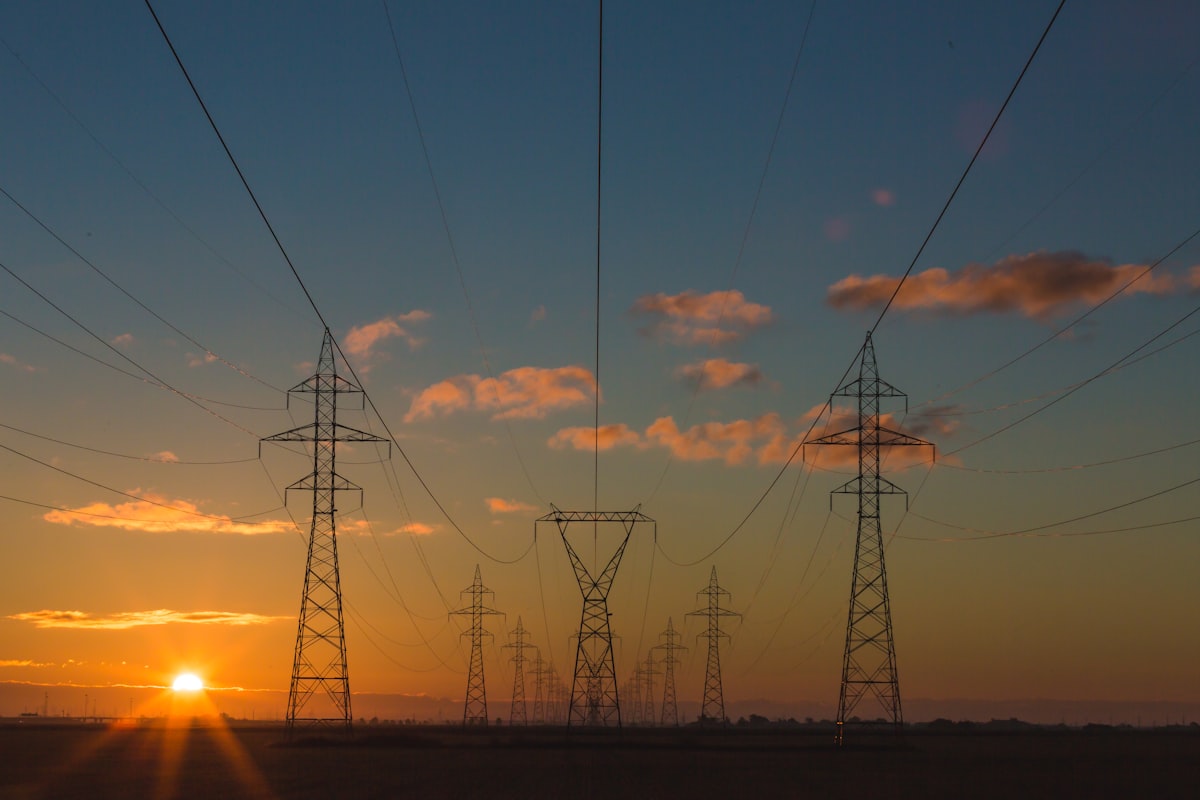
China is significantly ramping up its efforts to integrate wind and solar power into its national energy framework as part of a broader mandate to increase renewable energy consumption. This strategic shift reflects a national commitment to decarbonization and energy security, moving away from a traditional reliance on heavy industrial power sources to more sustainable alternatives.
According to Renewable Energy, the country is focusing on overcoming previous infrastructure bottlenecks that often hindered the efficient delivery of clean power to urban and industrial centers. By optimizing the national grid and investing in better transmission capabilities, Beijing aims to maximize the utilization of its vast solar and wind resources. This initiative is expected to reduce the carbon intensity of the country's economy while fostering growth in domestic clean-tech manufacturing sectors.
As this transition gains momentum, observers anticipate that China will continue to refine its regulatory policies to encourage private investment in green energy projects. The move toward a more diversified and cleaner energy portfolio is critical for the nation's stated long-term environmental targets, which involve peaking carbon emissions within the next decade and achieving widespread carbon neutrality by the middle of the century.
Reader Discussion & Insights