
As part of its ongoing transition toward sustainable power generation, China has established a significant benchmark for its energy sector. Under the upcoming 15th Five-Year Plan, the nation intends to expand its solar and wind energy capacity to a combined total of 2.8 terawatts. This strategic push is designed to accelerate the displacement of traditional fossil fuel sources and meet domestic carbon neutrality goals.
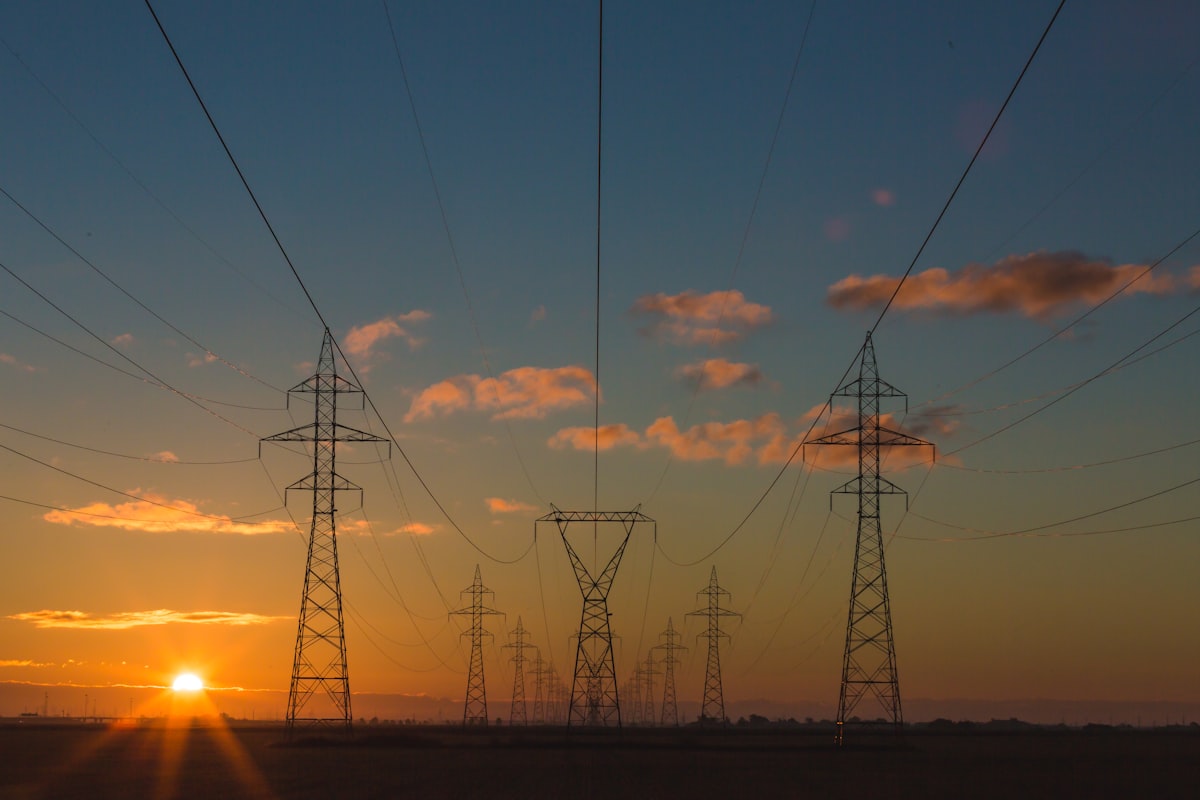
The target underscores a sustained commitment to renewable infrastructure development on a massive scale. According to Renewable Energy, this initiative represents one of the most substantial capacity growth projections globally, reflecting Beijing's efforts to stabilize long-term power demands through intermittent but increasingly reliable clean energy technologies. Achieving this objective will require extensive upgrades to the national transmission grid to ensure that renewable energy produced in regional hubs can be efficiently distributed to high-demand urban centers.
Beyond technical integration, the realization of these goals will necessitate a steady supply chain and continued investment in battery storage solutions to address intermittency challenges. Analysts expect that this policy roadmap will maintain China's position as the world leader in annual renewable energy installations. While the transition remains complex, the scale of this Five-Year Plan indicates that policymakers are prioritizing large-scale electrification as the cornerstone of the country's broader industrial and economic strategy over the next several years.
Reader Discussion & Insights