
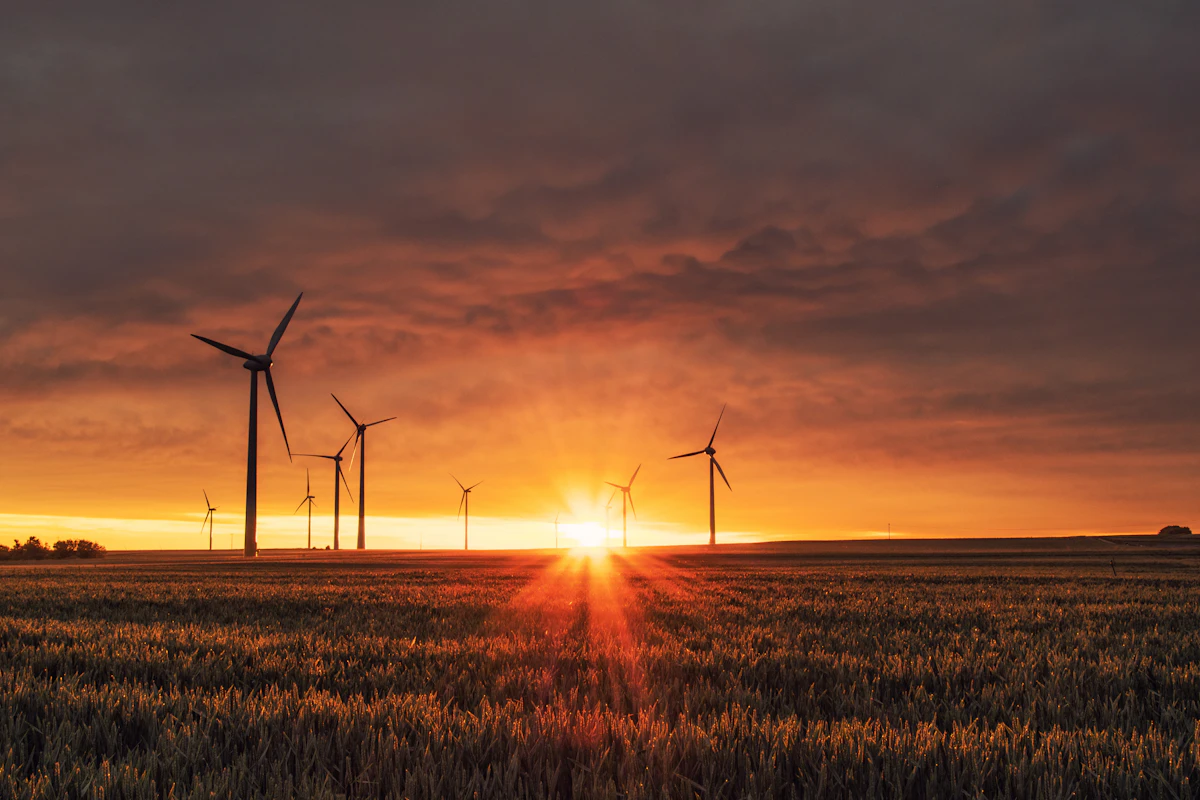
China is poised to significantly accelerate its transition toward sustainable power as the nation outlines a roadmap to increase its wind and solar energy generation capacity by more than 50% within the next five years. This aggressive expansion aligns with the country’s broader environmental goals to reduce carbon intensity and move away from traditional fossil fuel dependency.
According to Renewable Energy, these strategic upgrades are part of a larger plan to optimize the national energy mix while meeting the rising power demands of a growing industrial economy. By prioritizing the integration of vast wind and solar farms into the existing grid, the government aims to strengthen its energy security while facilitating a significant shift toward cleaner utility sources. The plan highlights the urgency of scaling up infrastructure to accommodate the intermittent nature of renewables, ensuring that the surge in capacity can be effectively managed and distributed.
Industry analysts note that this shift underscores the central role that large-scale infrastructure projects play in national policy. As these renewable assets are deployed, they are expected to displace coal-fired power plants, thereby lowering greenhouse gas emissions. The success of this transition will likely depend on significant investments in grid stabilization technology and energy storage solutions, both of which are critical to maintaining power stability as the nation reaches its ambitious five-year growth target.
Reader Discussion & Insights