
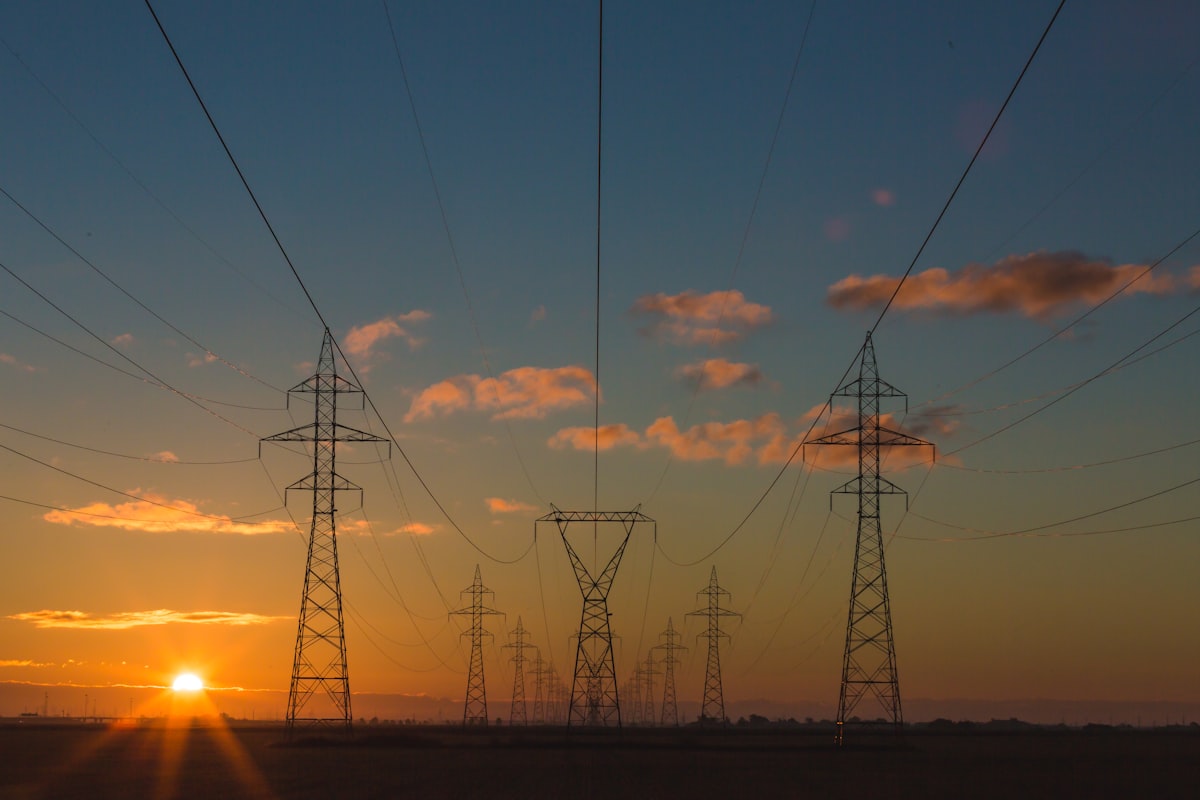
As part of its long-term strategic development, China is preparing to implement a significant expansion of its renewable energy infrastructure. The forthcoming 15th Five-Year Plan emphasizes a massive scale-up of solar and wind capacity, reflecting the government's commitment to transitioning its energy grid away from traditional reliance on fossil fuels. This initiative is expected to define the country's economic and environmental trajectory for the next several years, setting aggressive benchmarks for generation capacity and technological integration.
According to Renewable Energy, these upcoming national targets represent a substantial increase in projected capacity. The planning process aims to reconcile China's surging energy demand with its international climate pledges. By focusing on massive infrastructure projects, Beijing seeks to maintain its leadership position in the global renewable market while simultaneously addressing domestic power stability issues. The move is viewed by industry analysts as a critical step in modernizing the nation's energy architecture and reducing overall carbon emissions intensity throughout the next economic cycle.
Beyond domestic capacity building, the plan is expected to trigger significant shifts in global supply chains related to green technology. As China increases its domestic procurement, local manufacturers are likely to see sustained demand, which may influence global market pricing for turbines and photovoltaic modules. The 15th Five-Year Plan not only underscores the country's internal energy priorities but also highlights the ongoing competition in the clean energy technology sector on a global scale. Stakeholders in the energy industry are closely monitoring the specific capacity targets that will materialize as the policy framework is finalized and enacted in the coming months.
Reader Discussion & Insights