
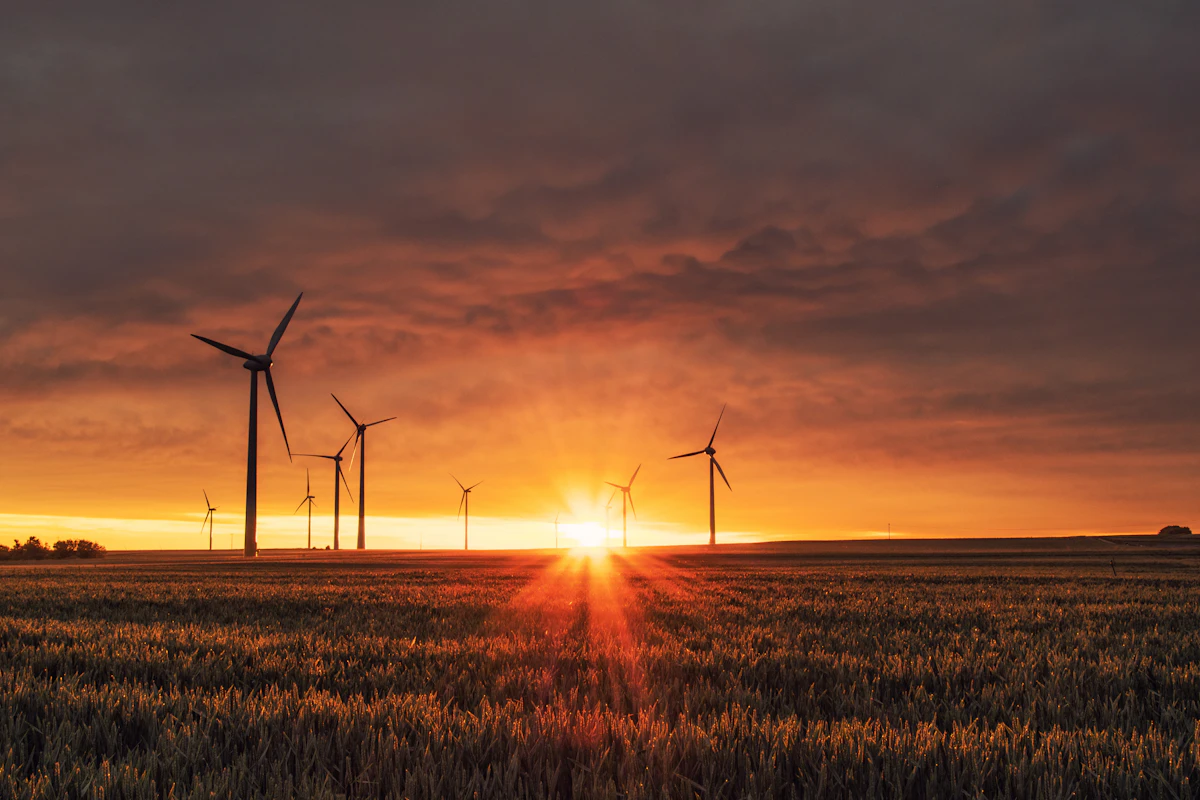
Germany is currently grappling with a recurring operational hurdle: the forced suspension of wind and solar farm output. Despite aggressive expansion in renewable capacity, the national grid frequently encounters congestion, leading to situations where generated power cannot be effectively transported or stored. When production exceeds the transmission infrastructure's capacity, operators are forced to curtail energy flow to prevent catastrophic grid instability, resulting in wasted clean electricity that could otherwise support the national energy transition.
According to Renewable Energy, the core of the issue lies in the mismatch between high-production zones—often located in the windier northern regions—and the major industrial hubs situated in the south. This geographical disconnect puts immense pressure on existing transmission lines. The current framework relies on manual or automated curtailment to prevent overloading, which acts as a short-term band-aid rather than a structural solution. Without significant upgrades, the country risks losing investor confidence as more clean power is sidelined during peak generation hours.
To address this inefficiency, energy experts suggest a three-pronged approach centered on grid modernization, enhanced energy storage capacity, and the implementation of smarter, more responsive digital management systems. Expanding high-voltage transmission corridors is essential to bridge the north-south divide, while investing in utility-scale battery systems and green hydrogen production could provide the necessary flexibility to soak up excess supply. By moving toward a more decentralized and flexible grid architecture, Germany aims to minimize waste and ensure that its ambitious climate goals remain technically and economically viable in the coming decade.
Reader Discussion & Insights