
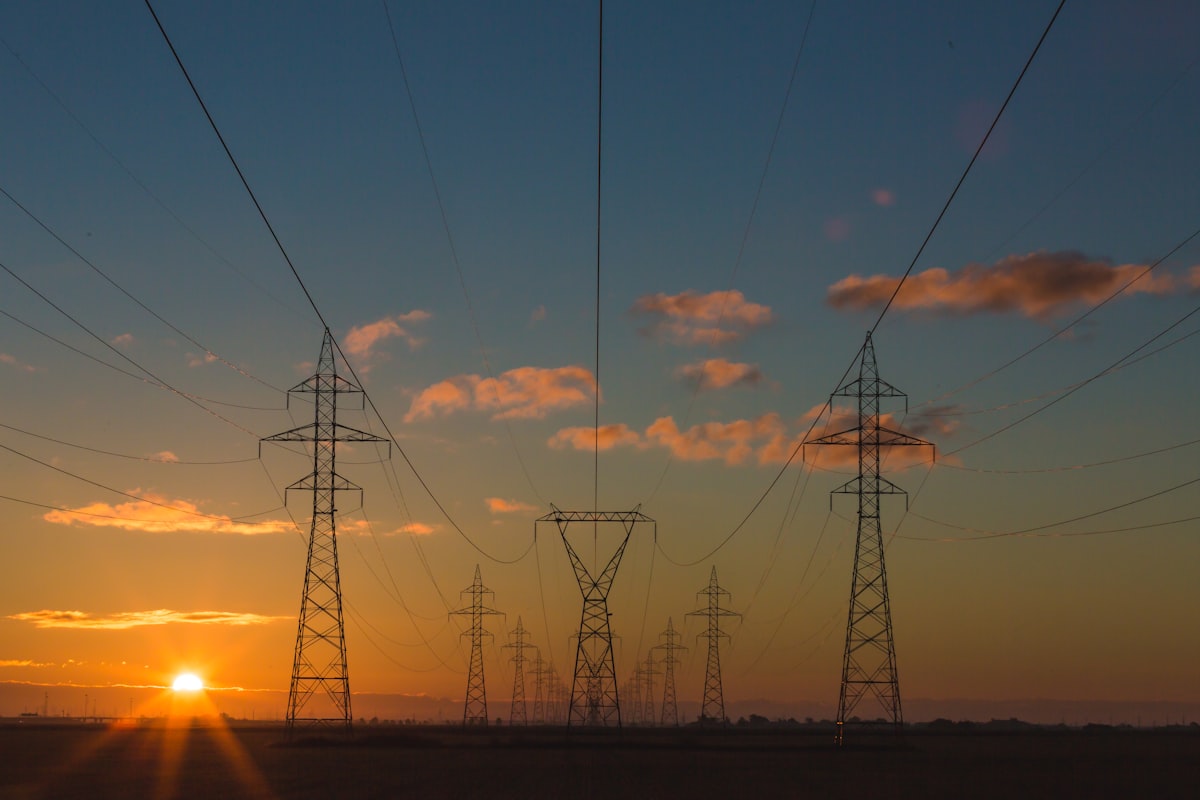
Germany has reached a significant turning point in its national energy strategy, marking the first instance where electricity generated from wind and solar power has outpaced that of traditional fossil fuel sources. This shift reflects years of aggressive investment in green infrastructure and a steady move away from carbon-intensive power generation, signaling a major victory for the country’s decarbonization targets.
According to Renewable Energy, this milestone underscores the rapid maturation of renewable technologies within the German market. While fossil fuels have historically dominated the nation's energy mix, the integration of extensive wind farm projects and expanded solar arrays has created a sustainable alternative that is capable of meeting high demand. Analysts view this as a crucial step in Germany's commitment to climate neutrality, though it brings renewed focus on grid stability and energy storage requirements to maintain this momentum during periods of lower wind and solar output.
The implications of this data extend beyond internal policy, providing a case study for other industrialized nations attempting to transition their energy grids. As Germany phases out remaining coal and gas dependencies, the ability to rely on variable renewable sources proves that large-scale electrification can successfully prioritize cleaner power. Moving forward, the focus will likely shift toward upgrading transmission infrastructure to support the increased influx of renewable electrons and ensuring industrial sectors can maintain consistent supply through battery storage solutions and modernized smart-grid technology.
Reader Discussion & Insights