
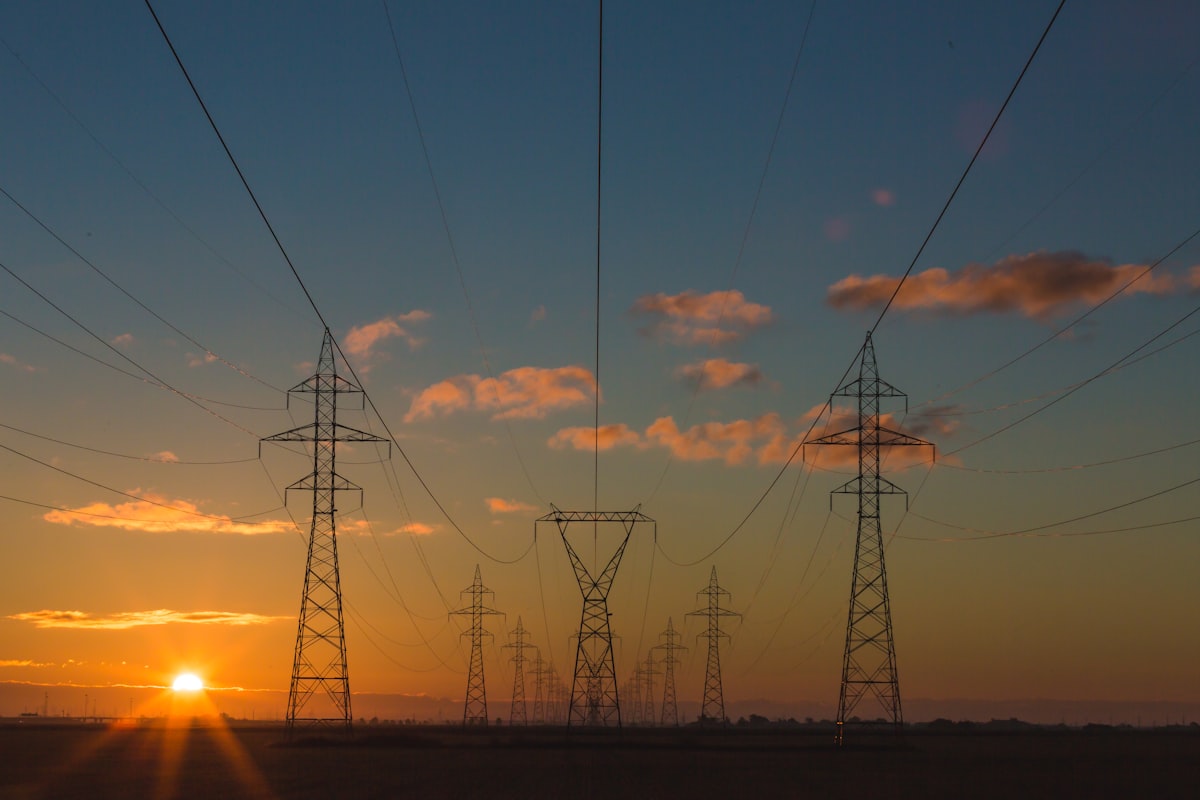
The global energy landscape is undergoing a significant transformation characterized by the rapid integration of renewable sources and a consistent reduction in coal-based power generation. Despite shifting political priorities and the uncertainty often associated with federal administrative changes, the transition toward cleaner electricity production continues to maintain its momentum. Market forces, coupled with declining technology costs, have made solar energy an increasingly attractive and scalable solution for utility providers and individual consumers alike.
According to Renewable Energy, the current trend reflects a fundamental shift in energy infrastructure rather than a temporary fluctuation. As solar installations reach record capacities across multiple regions, coal-fired power plants are being retired or transitioned to alternative fuels at a pace that exceeds previous industry expectations. This divergence between the rising deployment of solar and the waning dominance of fossil fuels underscores the economic viability of green energy, which has become competitive with—and often cheaper than—traditional energy sources.
The implications of these shifts are widespread, affecting everything from investment strategies to grid reliability planning. While government policy remains a significant variable in the speed of the energy transition, the underlying market dynamics currently favor renewable expansion. As infrastructure projects continue to break ground and aging coal facilities are decommissioned, the energy mix is likely to lean further toward sustainable sources, reinforcing a global shift that prioritizes efficiency and long-term environmental sustainability over outdated, carbon-intensive power generation methods.
Reader Discussion & Insights