
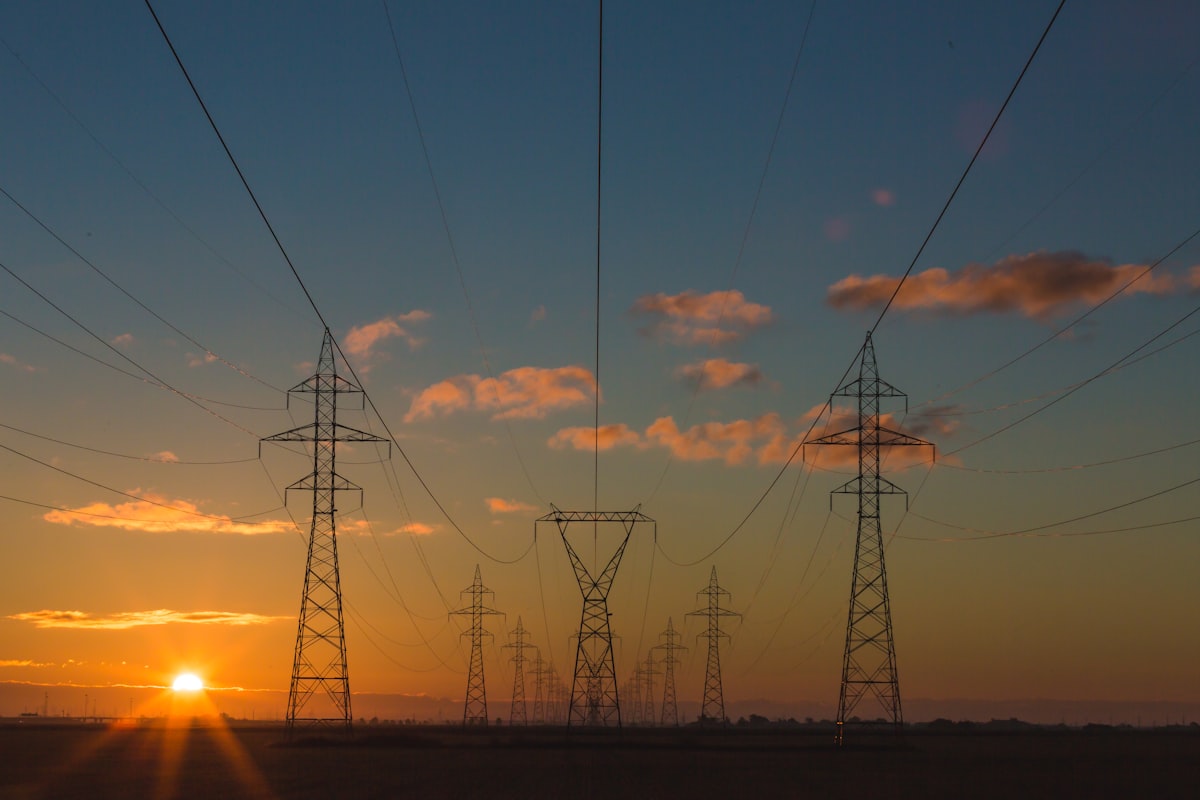
The regional power grids operated by the Southwest Power Pool (SPP) and the Electric Reliability Council of Texas (ERCOT) have recently faced unprecedented levels of electricity consumption. As these grids manage the flow of power across vast territories, the surge in demand highlights the increasing pressure placed on infrastructure to maintain stability during peak usage periods. These figures indicate a significant shift in energy consumption patterns across the central and southern United States.
According to EIA reports, the sustained demand within these regions is being driven by a combination of evolving industrial requirements and environmental conditions. The data confirms that both organizations hit all-time highs for load requirements, prompting closer scrutiny of grid capacity and reliability standards. While both operators managed to meet the elevated load, the intensity of these peaks serves as a benchmark for future planning and energy investment strategies in the power sector.
Energy analysts suggest that these milestones reflect broader trends in grid utilization as electrification efforts continue to expand. The ability of SPP and ERCOT to handle these historical surges is critical for ensuring consistent service to both residential and commercial consumers. Moving forward, the focus for utility operators will likely remain on enhancing grid resilience and integrating additional capacity to prevent supply-side constraints during future peak events.
Reader Discussion & Insights