
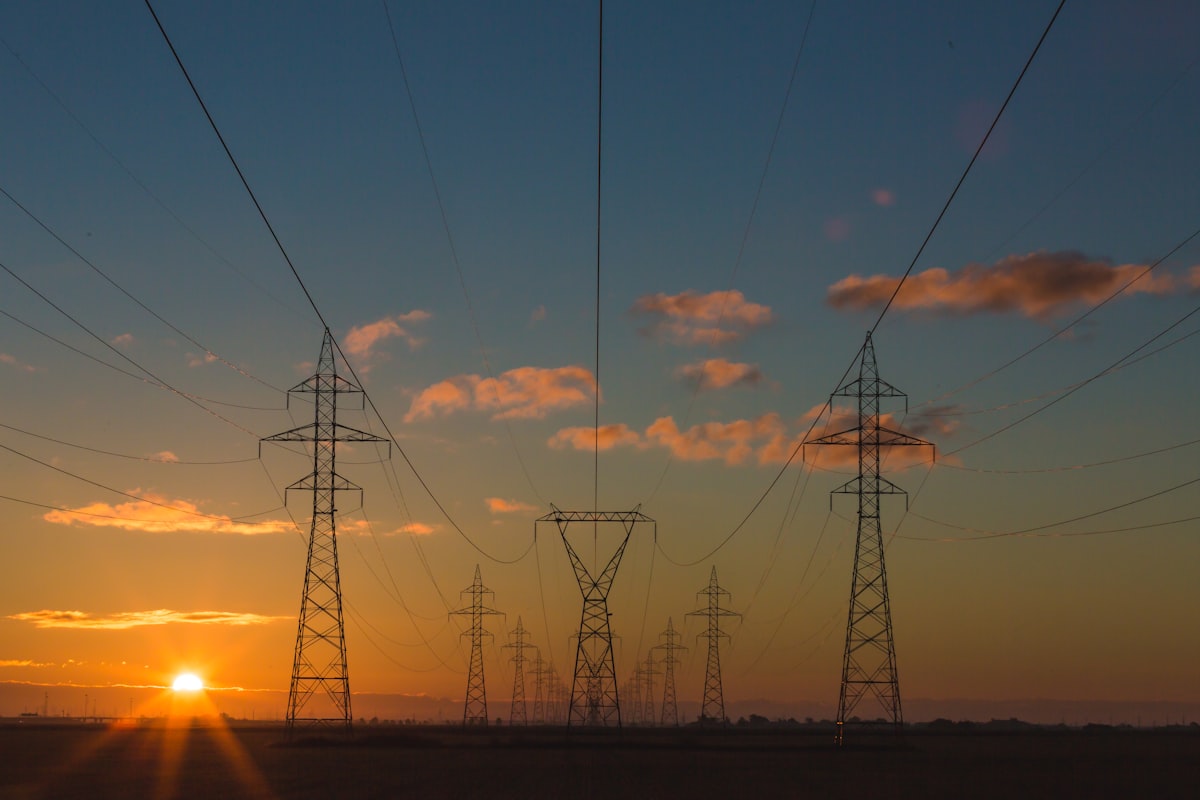
The United States is currently navigating a period of robust growth within its clean energy sector, characterized by significant investment and infrastructure development. Current industry indicators suggest that this momentum is firmly set to continue throughout the remainder of the decade, with steady capacity increases projected annually until 2030. This expansion is largely fueled by recent federal policy incentives and a shifting appetite for sustainable utility-scale projects, which have collectively accelerated the transition away from traditional fossil fuel dependence.
However, industry analysts are beginning to look past this immediate horizon with more caution. While the immediate outlook is bright, there is limited visibility regarding the sustained pace of innovation and infrastructure deployment after 2030. According to Renewable Energy, the transition period following the close of the decade remains characterized by a high degree of uncertainty. Experts point to potential bottlenecks in grid modernization, supply chain limitations for raw materials, and the evolving nature of policy support as factors that could dampen growth in the early 2030s.
Ultimately, the ability of the US to maintain its current clean energy trajectory will depend on addressing long-term systemic challenges today. While current market conditions support a strong finish to the 2020s, bridging the gap to subsequent decades will likely require more than just the current legislative framework. Industry stakeholders are advised to focus on grid resilience and technology diversification to ensure that the current boom does not lose steam as the market matures.
Reader Discussion & Insights